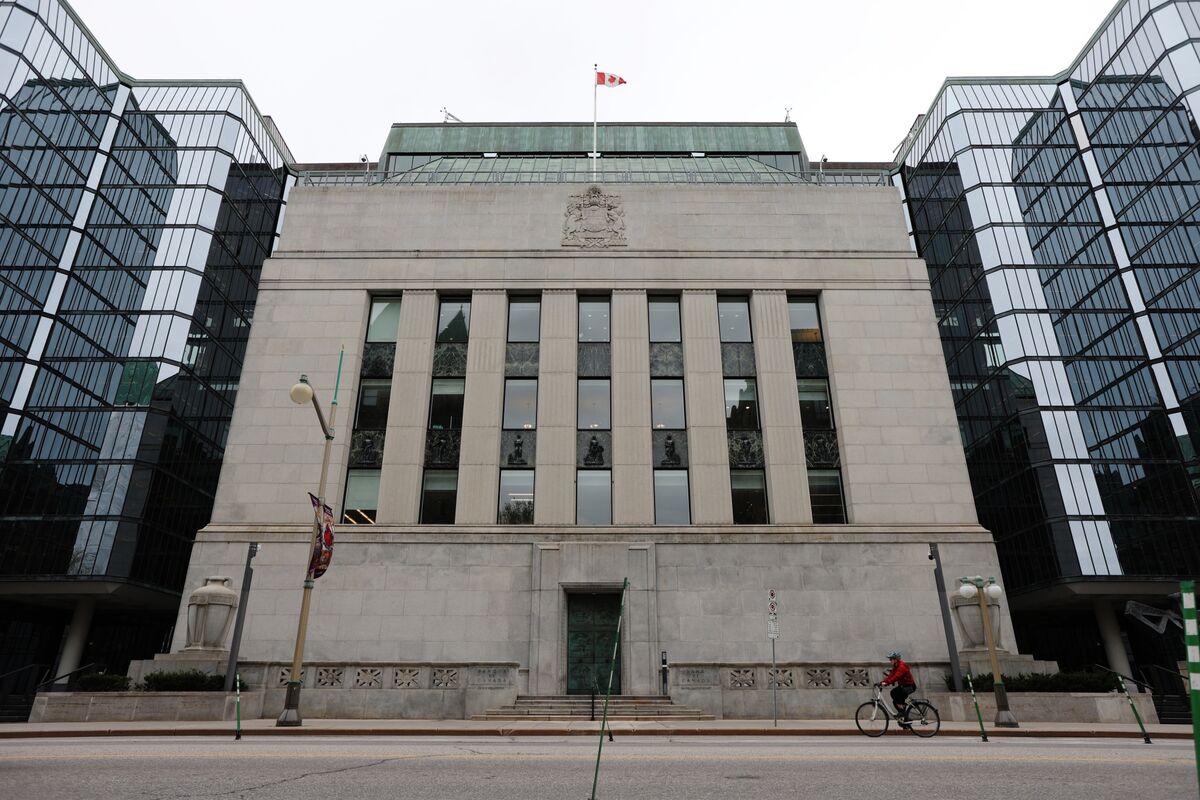
The Bank of Canada gathered senior executives from the nation’s biggest banks to dissect the security implications of Anthropic’s newest AI model. As generative AI embeds itself deeper into financial workflows, the potential for novel attack vectors grows, making this dialogue a bellwether for the industry’s risk posture.
Why Anthropic’s Model Raises Alarm
Anthropic’s latest release, touted for its advanced language capabilities, also introduces a broader attack surface for malicious actors. The model can generate persuasive phishing content, automate code injection attempts, and even fabricate synthetic data that could evade traditional fraud detection tools. Financial institutions, which already wrestle with legacy system vulnerabilities, now face the prospect of AI‑driven threats that adapt in real time. Moreover, the opaque nature of large language models complicates attribution, leaving banks uncertain about the origin of a breach. The Bank of Canada’s focus on this issue signals a shift from treating AI as a purely competitive advantage to recognizing it as a systemic risk factor that must be managed alongside conventional cyber defenses.
Implications for Canadian Financial Stability
Canada’s financial system is heavily concentrated, with a handful of banks handling the majority of transactions. A successful AI‑enabled attack could ripple across payment networks, credit scoring algorithms, and market‑making platforms, potentially destabilizing liquidity flows. By convening lenders, the central bank aims to harmonize threat‑intelligence sharing, develop joint response playbooks, and explore regulatory sandboxes for AI safety testing. This collaborative approach could set a precedent for other jurisdictions, encouraging a unified front against AI‑related cyber risk. It also underscores the need for investment in AI‑specific security tooling, staff training, and governance frameworks that embed risk assessments into model deployment pipelines. For investors, the outcome may influence capital allocation toward firms that demonstrate robust AI risk controls, while founders and engineers must prioritize security by design in their product roadmaps.
What This Means for Global FinTech
The Canadian dialogue foreshadows a broader regulatory awakening as AI proliferates across fintech ecosystems worldwide. Companies that embed generative AI into customer‑facing services will need to anticipate stricter compliance checks, similar to data‑privacy regimes. Early adopters who proactively embed adversarial testing and model‑explainability may gain a competitive edge, attracting capital that values resilience. Conversely, firms that overlook AI security could face heightened scrutiny, insurance premium hikes, or even market exclusion. The next wave of fintech innovation will likely be judged not just on speed and functionality, but on the robustness of its AI risk management.
"Recognizing AI as a cyber‑risk vector is now a strategic imperative for banks, founders, and investors alike, shaping the next chapter of resilient financial innovation."