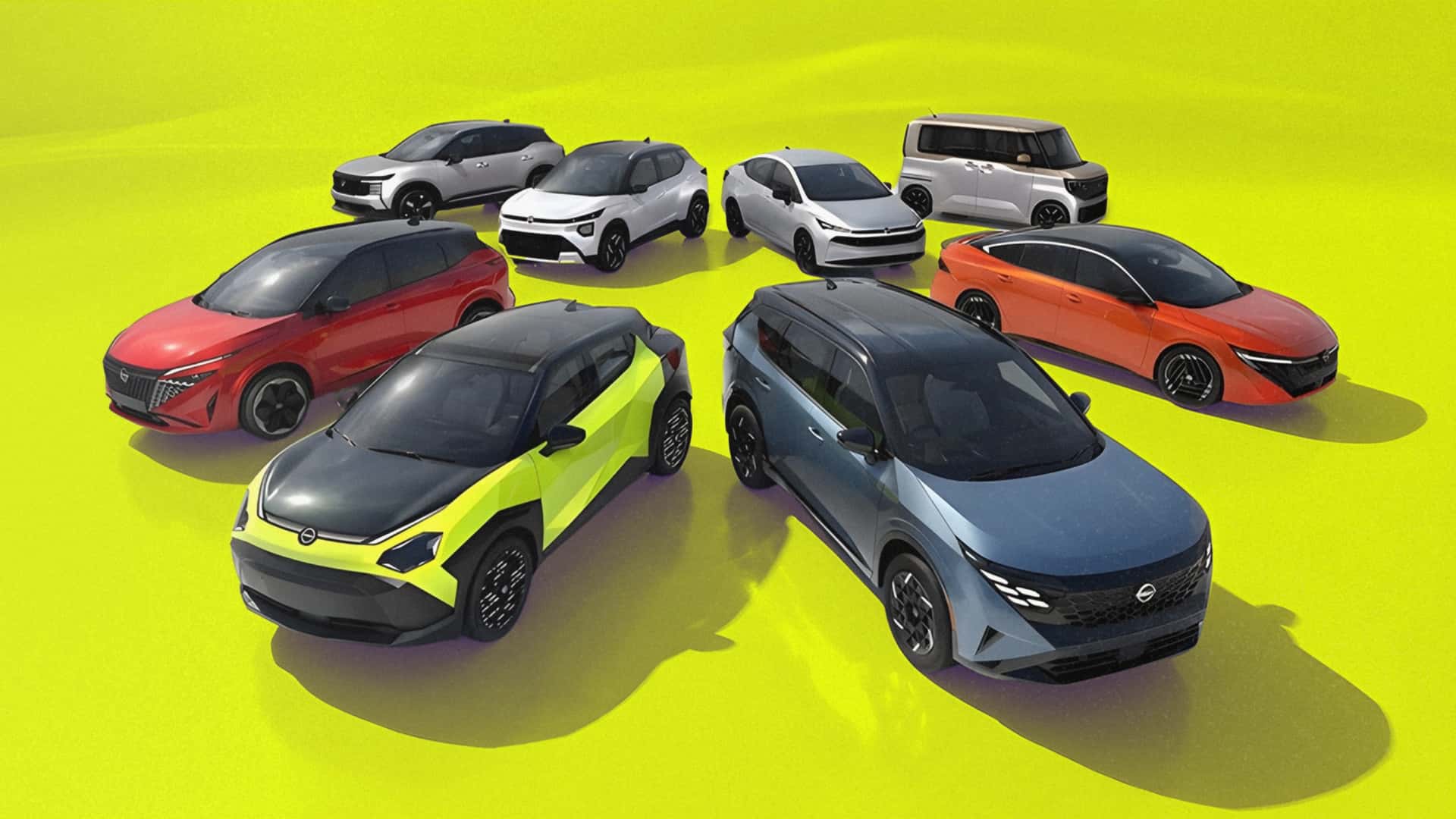
Nissan is betting on a technology‑first comeback, weaving AI and hybrid powertrains into a new product narrative. The plan, dubbed Nissan Vision, promises to reshape the automaker’s portfolio while addressing tightening emissions standards. For founders, engineers, and investors, the timing aligns with a broader industry shift toward data‑driven vehicles and flexible electrification pathways.
Why AI Is Central to Nissan’s Turnaround
Artificial intelligence is no longer a peripheral feature for Nissan; it is the connective tissue linking design, manufacturing, and after‑sales services. By deploying AI‑enhanced predictive maintenance, the company can reduce warranty costs and improve vehicle uptime, a critical metric for fleet operators. In the design studio, generative AI accelerates concept iteration, allowing engineers to explore lightweight structures and aerodynamic tweaks within days rather than weeks. Moreover, AI‑driven demand forecasting refines inventory allocation, mitigating the risk of overproduction that plagued the brand in previous cycles. For investors, these capabilities translate into lower operating expenses and a more resilient supply chain, positioning Nissan to compete against both legacy rivals and emerging EV‑only players.
Hybrid Architecture as a Bridge to Full Electrification
Nissan’s hybrid strategy serves as a pragmatic bridge between internal combustion engines and a fully electric future. By integrating a modular hybrid system, the automaker can retrofit existing platforms with electric assist, preserving tooling investments while meeting stricter CO2 targets. The new Xterra, for example, will pair a turbocharged engine with a compact electric motor, delivering instant torque without sacrificing range—a key selling point for consumers in markets with limited charging infrastructure. This approach also spreads development risk; the hybrid architecture can be scaled across multiple segments, from compact cars to SUVs, creating economies of scale. Engineers benefit from a unified software stack that manages power distribution, while investors see a clear pathway to incremental revenue as customers transition to higher‑value electrified models.
Market Implications and Investor Outlook
The rollout of AI‑enabled hybrids positions Nissan to capture market share in regions where pure EV adoption remains nascent. By offering a technologically sophisticated yet familiar driving experience, the brand can attract early adopters without alienating traditional buyers. For venture capitalists and strategic investors, Nissan’s roadmap signals a willingness to partner on software platforms and battery sourcing, opening doors for joint ventures. The company’s emphasis on data analytics also creates monetization opportunities through fleet services and over‑the‑air updates. In the next 12 to 24 months, performance metrics such as hybrid sales volume, AI‑driven cost reductions, and customer sentiment will be key indicators of the plan’s success.
"Nissan’s AI‑centric hybrid strategy offers a realistic path to electrification, delivering immediate operational efficiencies while setting the stage for future growth."