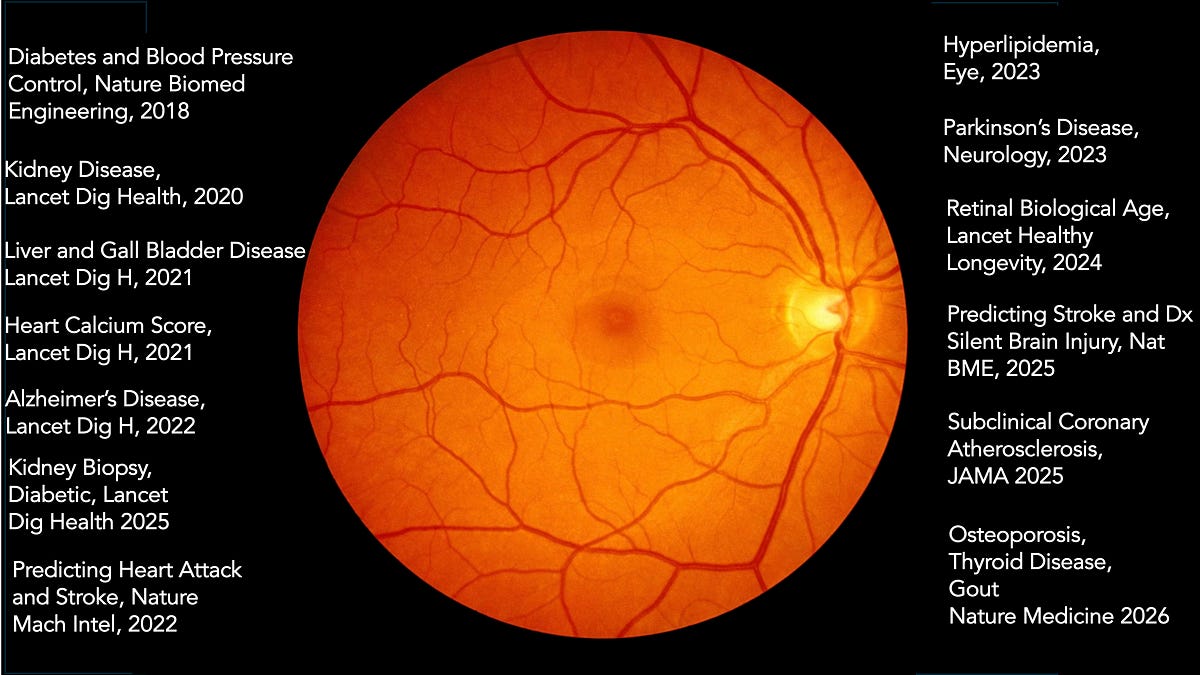
Medical AI promises faster diagnoses and personalized care, but hospitals are struggling to turn prototypes into routine tools. The disconnect between algorithmic optimism and real‑world evidence is widening, making the technology’s true value uncertain at a time when investors and regulators demand measurable outcomes.
The Evidence Gap Behind the Hype
The excitement around deep learning models for imaging and predictive analytics often outpaces the data needed to validate them in diverse patient populations. Many studies rely on retrospective datasets that lack the variability of everyday practice, leading to performance drops when algorithms encounter new scanners, demographic shifts, or uncommon disease presentations. Without prospective, multi‑center trials, clinicians cannot trust that reported accuracy will hold up, and payers hesitate to reimburse. Moreover, the regulatory landscape still treats most AI tools as medical devices, demanding rigorous evidence that many developers are not prepared to supply. This evidence gap creates a paradox: the more hype builds, the harder it becomes to generate the unbiased data needed to prove the technology’s worth.
Workflow Friction and Clinical Trust
Even when an algorithm shows solid metrics, integrating it into existing clinical workflows proves daunting. Physicians are already burdened with electronic health record navigation, and adding a new decision‑support layer can increase cognitive load rather than reduce it. Alerts that fire too frequently or at inappropriate moments erode trust, prompting users to ignore or disable the system. Data interoperability issues further complicate deployment, as hospitals must reconcile proprietary formats and ensure patient privacy. To gain clinician buy‑in, vendors must co‑design interfaces that align with daily routines, provide clear explanations for recommendations, and allow seamless escalation to human judgment. Without this alignment, the technology remains a peripheral novelty rather than a core component of care delivery.
Path Forward for Sustainable AI Adoption
A sustainable path forward requires a shift from product‑centric to outcome‑centric development. Developers should partner with health systems early to run real‑world pilots that capture longitudinal outcomes, cost impact, and patient satisfaction. Regulatory bodies could incentivize transparent reporting by streamlining pathways for AI that meets predefined performance thresholds. At the same time, investors need to evaluate not just algorithmic novelty but the robustness of the evidence generation plan. By aligning incentives across developers, clinicians, payers, and regulators, the paradox can be resolved, turning medical AI from a buzzword into a reliable engine for better health outcomes.
"Medical AI will only fulfill its promise when evidence, workflow harmony, and aligned incentives converge, turning hype into measurable health impact."